

If you're looking to make a brown butter sauce, brown butter chocolate chip cookies, or lots of other brown butter recipes, you're in the right place! Here, we'll look into how to get that perfect brown butter color for pasta and other savory dishes, as well how how to make browned butter for baking!
*This post contains affiliate links — as an Amazon Associate I earn from qualifying purchases. Please see my disclosure for details*.
And if you like this baking tips post, check out How to Make Vanilla Extract, Pound Cake vs. Bundt Cake - What's the Difference?, Measuring Baking Ingredients Accurately for Better Results, and My Favorite Kitchen & Baking Tools!
What is a browned butter?
Brown butter, also known as beurre noisette, is made by heating regular unsalted butter until it undergoes a transformation. It's made solely from butter and is created by cooking it over low to medium heat until the milk solids in the butter caramelize and turn brown, imparting a nutty aroma and flavor to the final product. This process involves removing the water content and gently cooking the remaining components of butter.
How is brown butter different from regular butter?
Where do I begin? My love for this ingredient is so well-established it's almost overkill at this point. Suffice it to say that when I make any recipe that calls for butter, I at least consider swapping it for brown butter.
If you have the time, it's always something to consider. But the real question is how to make brown butter. Well, you're in luck -- although it has seemingly magical powers to transform an everyday recipe into a masterpiece, there is no magical spell required!
I have shared so many recipes on this blog that feature brown butter, starting with my sweet potato pie. But even if a recipe doesn't require it, you can use it in any dish that could be improved by a nutty, caramel-y, rich flavor. Especially autumn and wintertime recipes like Eggnog Bread Pudding with Brown Butter Rum Sauce or brown butter banana blondies, and no-bake desserts like brown butter Rice Krispie treats.
Or make a brown butter sauce for savory pastas with aged cheese and earthy herbs. In short, it's a secret ingredient that can step up lots of different types of dishes! Get all my brown butter recipes down below!
What is the trick to brown butter?
Brown butter is just butter that has been (you guessed it) browned on a stovetop the butter melts until the milk solids are toasted and take on a nutty, caramel flavor. Because it's been cooked, some of the water has evaporated so it has a lower water content than regular butter. It adds a distinct nutty flavor and brown specks that regular butter doesn't, so sweet and savory dishes made with it tend to stand out.
How to Make Browned Butter, a Step-by-Step Guide
Also known as brown butter or beurre noisette, what we're aiming for is butter that has been cooked on a stovetop until its milk proteins are toasted and deep golden brown. As the butter browns, the flavor gets richer, and can turn your dish from delicious to amazing. And the best part is how easy it is! It's so simple to get the hang of, and it only adds a few extra minutes to your total prep time.
What is brown butter made of?
- Butter. It can be salted or unsalted, but I recommend using unsalted butter, since sometimes salted butter can brown more rapidly. You can also use cultured butter for added flavor and quality. You'll start with a ½ cup of butter.
- A light-colored pan. I usually use a stainless steel pan, but if you have a white or cream-colored skillet it's even better. This will help you clearly monitor the browning process.
- A whisk and a rubber spatula. The whisk helps keep the butter from burning and allows it to brown evenly -- I like this silicone whisk -- and the rubber spatula scrapes all the browned bits from your pan!
Then you just need to cut your stick of butter into chunks and heat it in your hot pan on medium-low heat for 5-10 minutes. As it starts to melt, it'll look something like this:
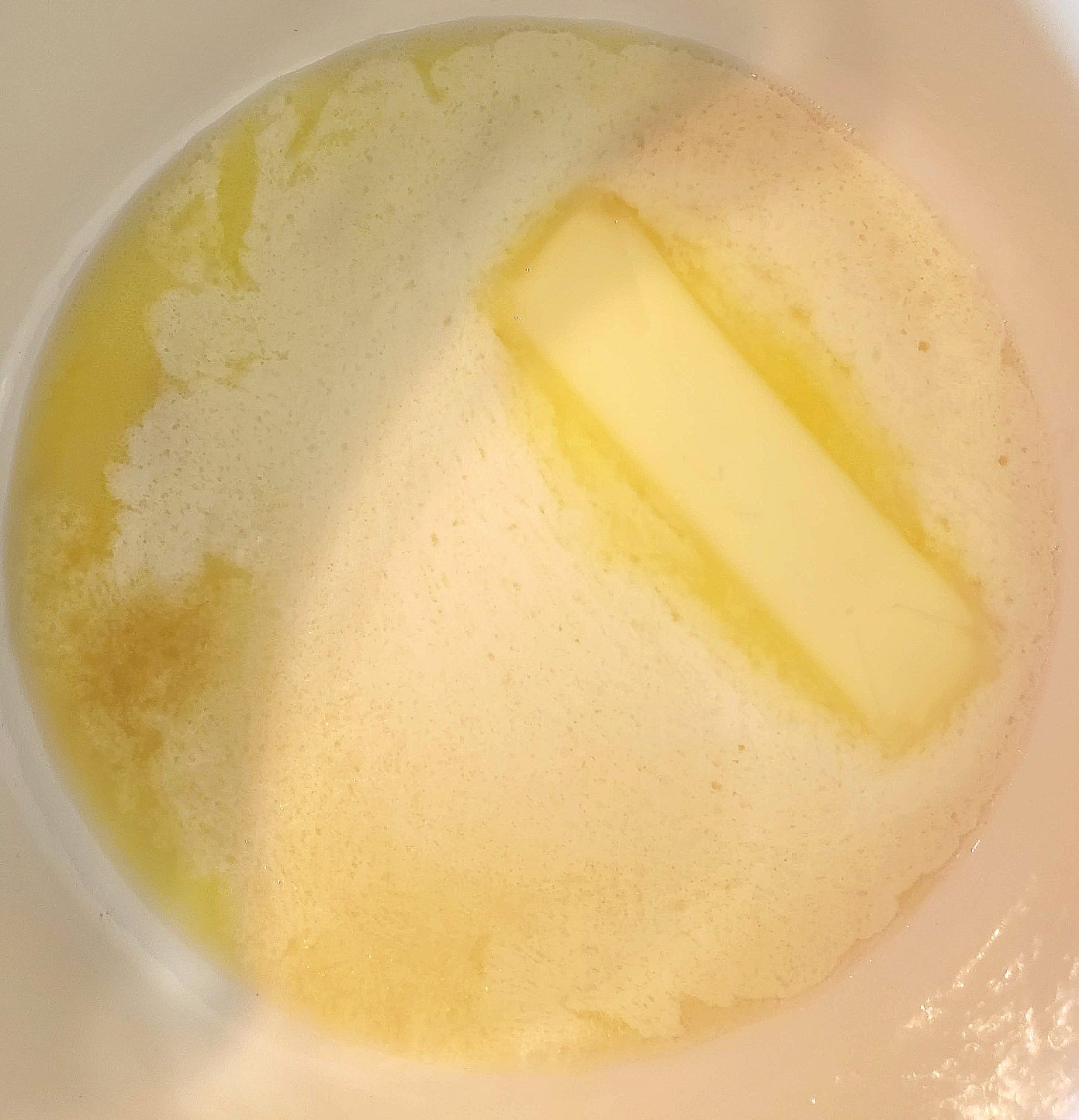
Keep whisking and watching the regular melted butter and it'll start to foam up. You'll also see the white milk solids separate and fall to the bottom of the pan.
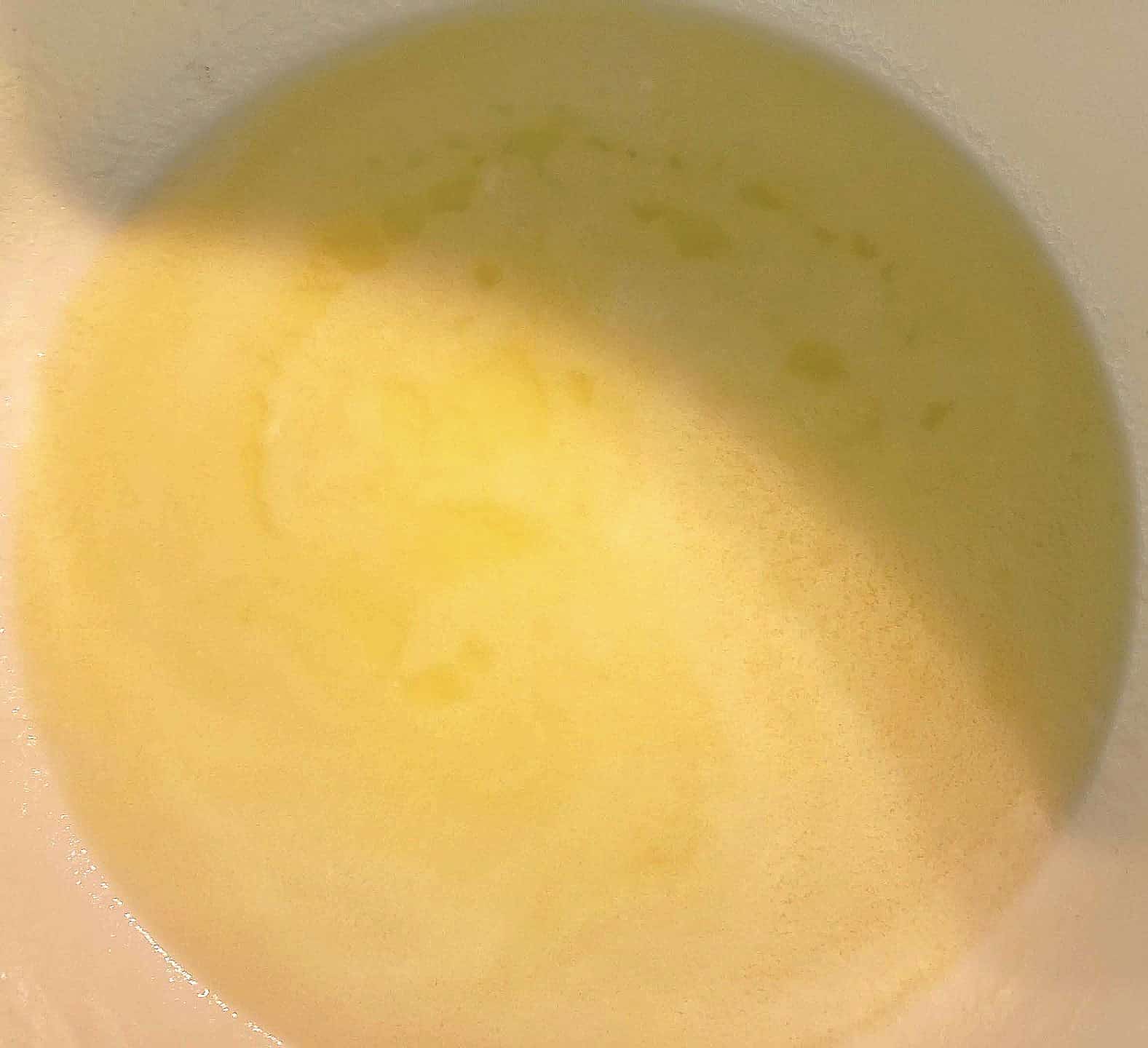
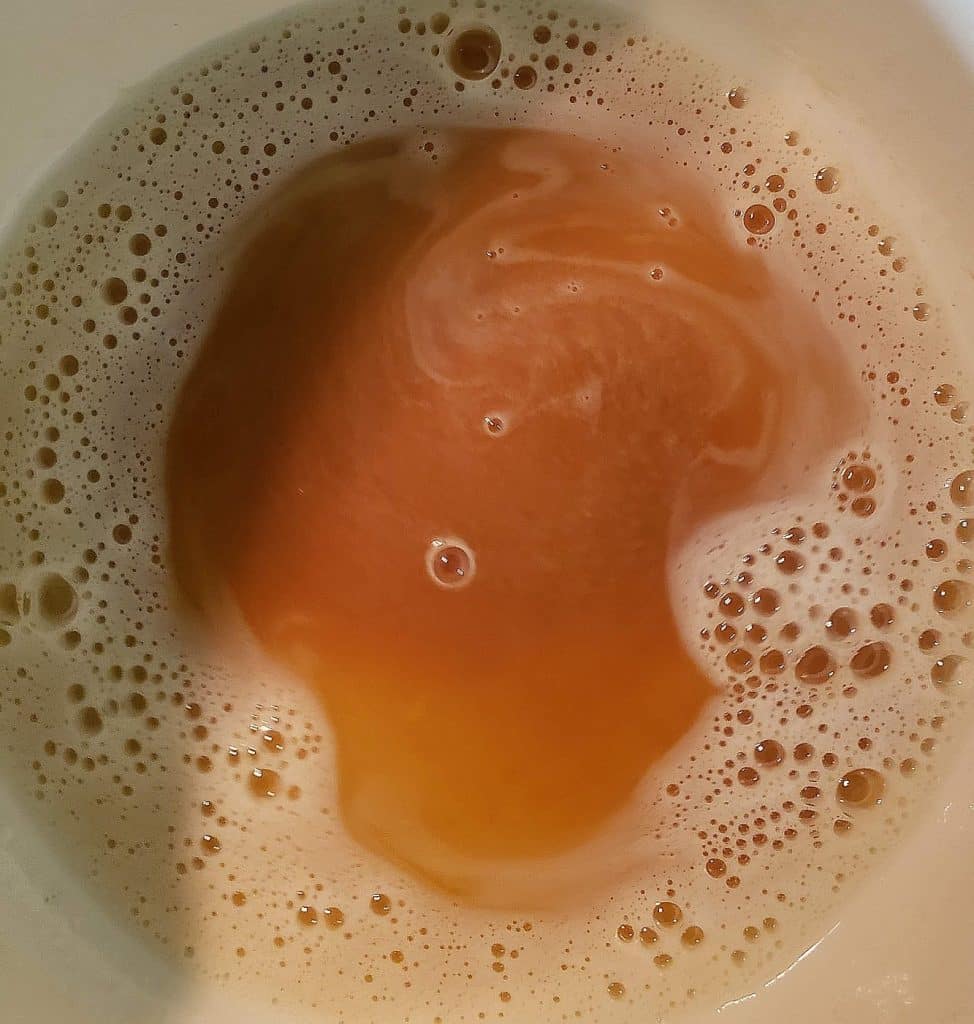
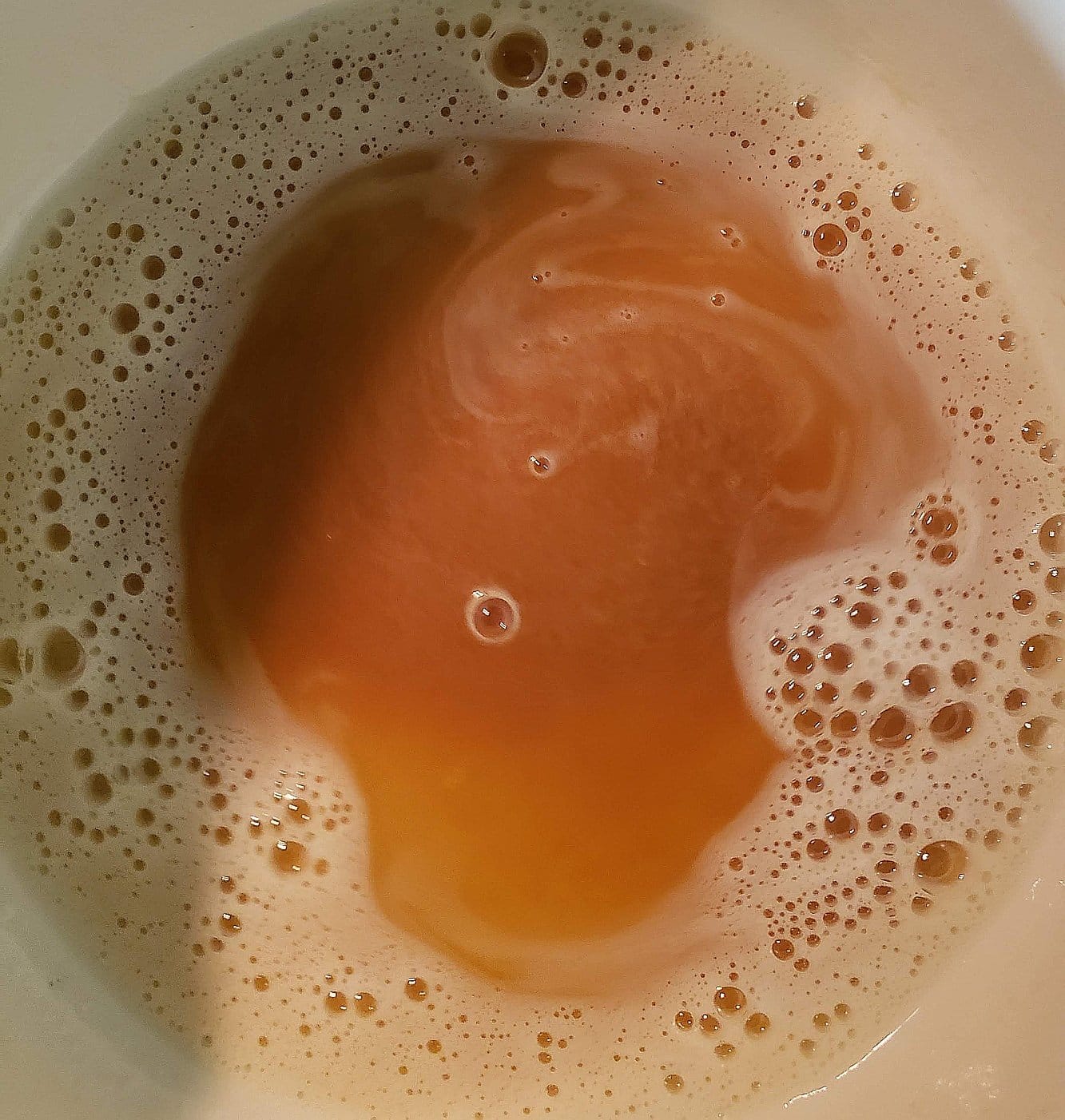
Be sure to keep whisking so that the foam doesn't obstruct your view of the milk solids at the bottom. They'll be the first to start to turn a golden brown color, after about 5 minutes or so. Finally, when it looks like this, you're all set!
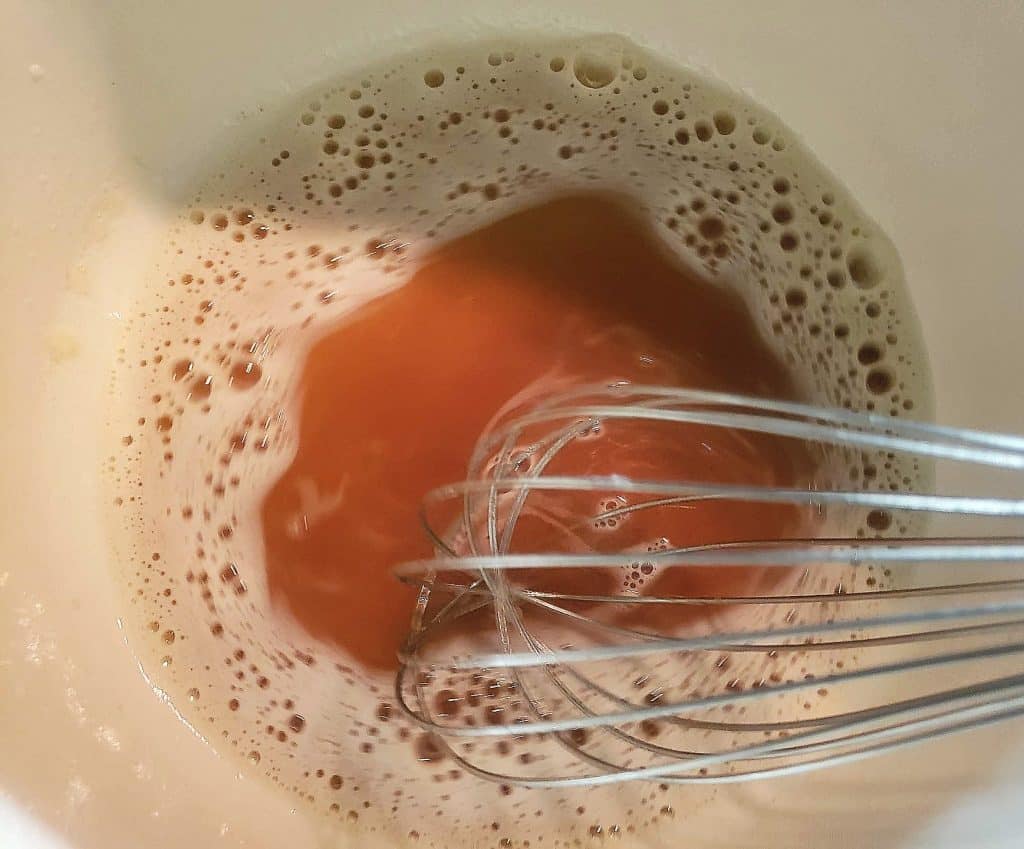
Immediately remove it from the heat and transfer to a heatproof container. Be sure to scrape up all the brown bits that are at the bottom of the pan -- that's where the nutty flavor is most pronounced!
How long does it take to brown butter?
How do you know when butter is browned enough? Your brown butter should be ready in about 5-10 minutes, depending on the quantity of butter that you're browning. I would definitely stay by the stove and keep an eye on it while it's browning, since butter can go from brown to burnt in just a few seconds!
What is Brown Butter vs Burnt Butter: Best Brown Butter Color
How do you tell if browned butter is burnt? I'd recommend going by color and smell. Brown butter has a deep golden brown, caramely color. As soon as you begin to see this color in your butter solids, remove it from the heat and pour into a heatproof bowl, because it'll continue to brown a bit because of residual heat. Burnt butter will be darker and begin to have a burnt smell.
Why is my butter foaming?
Foaming is the result of water in the butter evaporating. Depending on the brand of butter and your cooking temperature, the butter may create more or less foam. Either way, no worries -- foaming is totally normal! Just continue to whisk your butter to keep it moving, and keep a close eye on the milk solids so that you know when they've changed color.
To be honest, yes! Both types of butter have their place in different recipes, and brown butter can't be swapped in all the time. But in general, brown butter is a net positive in pretty much everything you can make! The first time you make it, you'll know what I mean!
Well -- it is butter, after all, so I can't honestly claim that it is. But everything in moderation, as they say.
Yes it can, but it's easier to burn if you use salted butter, so I would suggest sticking with unsalted until you get used to browning butter.
Brown butter is also known as "beurre noisette" in French culinary terminology, which translates literally to English as "hazelnut butter." It's a term derived from the hazelnut-like aroma and flavor it develops during the cooking process.
The Maillard reaction is a chemical reaction between proteins and sugars to create melanoidins, the compounds which give browned food its distinctive flavor. You'll find the delicious results in the Maillard reaction in seared steaks, toasted marshmallows, caramel, and of course, brown butter!
It usually takes around 5-10 minutes on medium-low or medium heat. I usually brown my butter in a stainless steel skillet, which cooks it a bit more quickly.
Absolutely! Swap in brown butter for any recipe that calls for butter where you want a nuttier, richer flavor. If your recipe calls for melted butter, you can use it right away. If your recipe calls for cold butter or softened butter, let it chill in the fridge and then use it like you would any other butter -- bring it to room temperature if your recipe calls for softened butter!
When substituting browned butter in a recipe that calls for regular butter, you'll want to add in water to replace the water that evaporates during the browning process and equate to the same amount of butter. You'll need to add in 1 tablespoon of water for every ½ cup of butter that you brown for a recipe.
Why is brown butter so good?
Brown butter is insanely good because when you heat it up, it gets all nutty and toasty, adding this incredible depth of flavor that's just irresistible. Seriously, it's like a flavor bomb that makes everything taste richer and more delicious, whether you're whipping up some cookies or sautéing veggies.
It adds such a deep, complex flavor to your sweet and savory recipes that it'll have your guests wondering what was so good about that rum cake you made, or why your pasta was even more irrestistible this time. And it's an easy way to achieve that deliciousness that chefs have been using for years!
How to Store Browned Butter
You can make brown butter ahead of time and store it in a mason jar or another container with a tight-fitting lid. Store it in the fridge for up to 10 days, or freeze it for up to 3 months.
Browned Butter Recipes
Now that you know how to make it, what is browned butter used for?
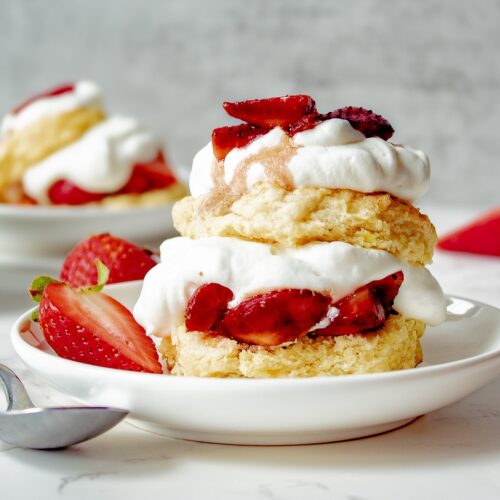
There are SO many! Brown butter works best in recipes that call for melted butter, like brownies, blondies, or certain cookie recipes. But as you grow more comfortable with the technique, you should definitely try using it in place of softened butter in recipes. It's especially delicious in frostings or icings, and in cakes and quick breads. For that, you'll need to chill the hot brown butter until it's solid, and the allow it to come back up to room temperature. A great example of this technique is my Butter Pecan Cake with Cream Cheese Frosting!
A small sampling of the brown butter recipes I've shared that are great ways to use your browned butter:
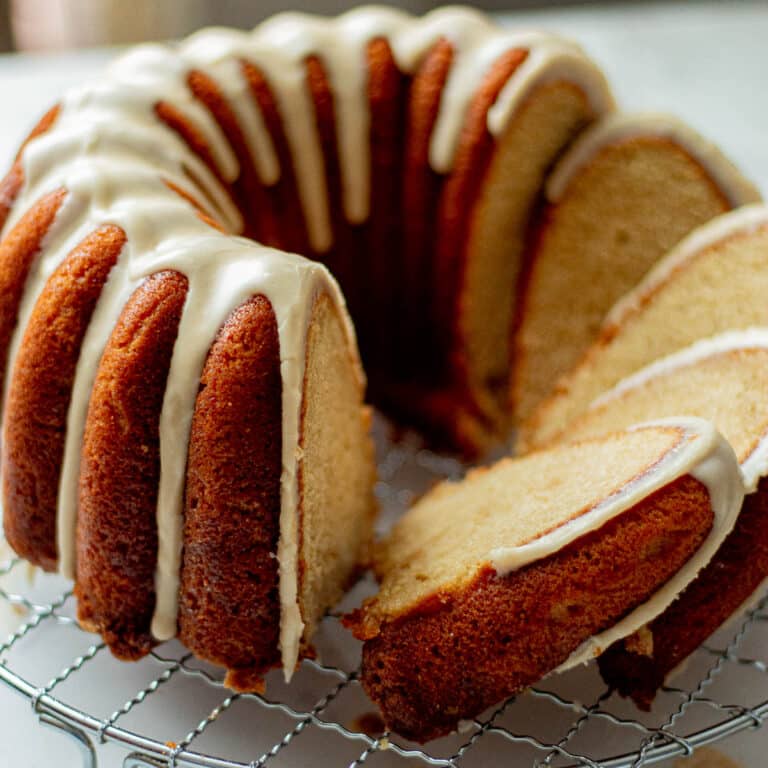
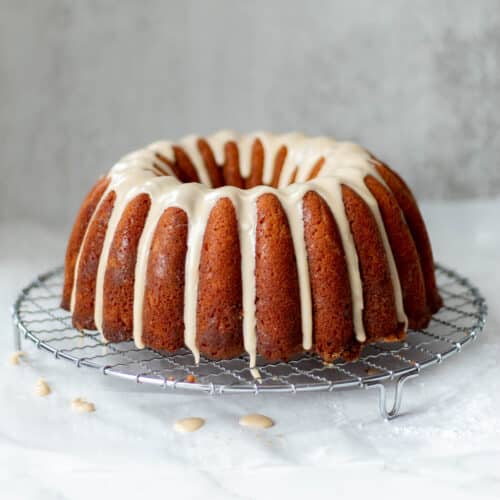
Rum Pound Cake with Brown Butter Glaze
This deeply delicious pound cake has dark Jamaican rum baked right in, plus it's infused with a brown butter rum syrup and topped with a brown butter rum glaze! Full of rich, caramelized tropical flavors -- it's guaranteed to be a winner.
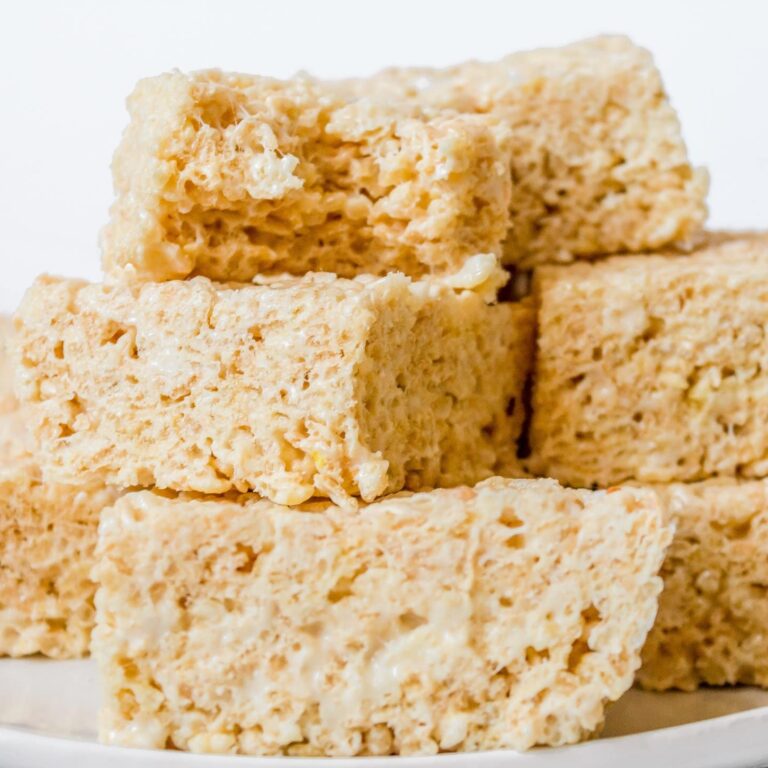
Fancy Rice Krispie Treats with Brown Butter and White Chocolate Ganache
The only Rice Krispie treats recipe you'll ever need! A decadent no-bake snack -- they won't last long, but they're so easy, you can just make more!
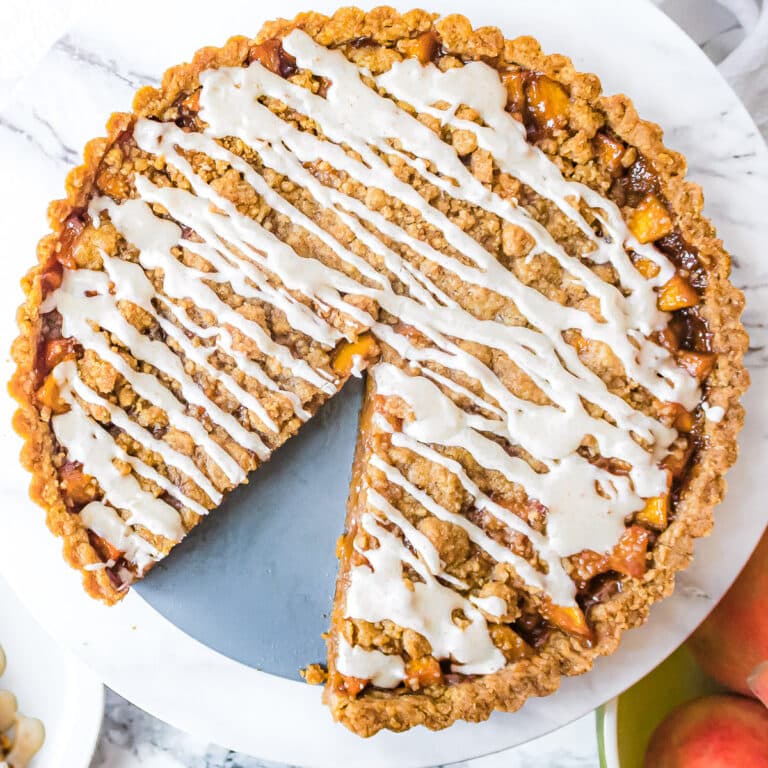
Brown Butter Peach Tart
Just in time for peach season! This rich, layered peach pie tart with a brown sugar shortbread crust, brown butter, a crumb topping, and a brown butter icing drizzle is made with either fresh or frozen peaches and your pefect summertime dessert.
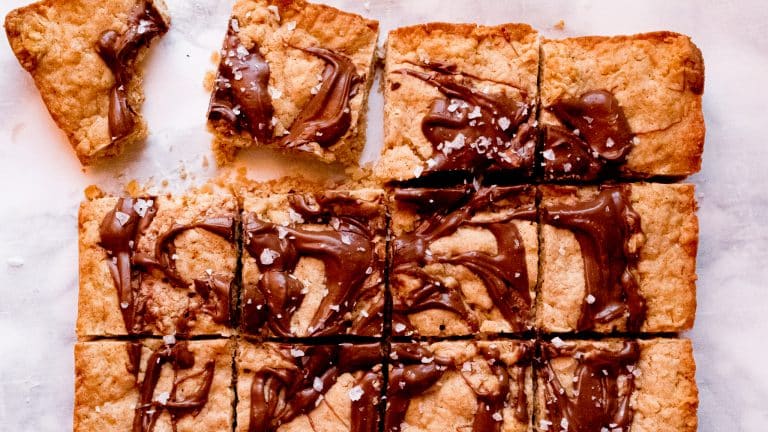
Oatmeal Cookie Bars with Brown Butter and Salted Nutella Swirl
An easy, decadent treat! These brown butter oatmeal cookie bars are so rich and flavorful, yet so simple to make!
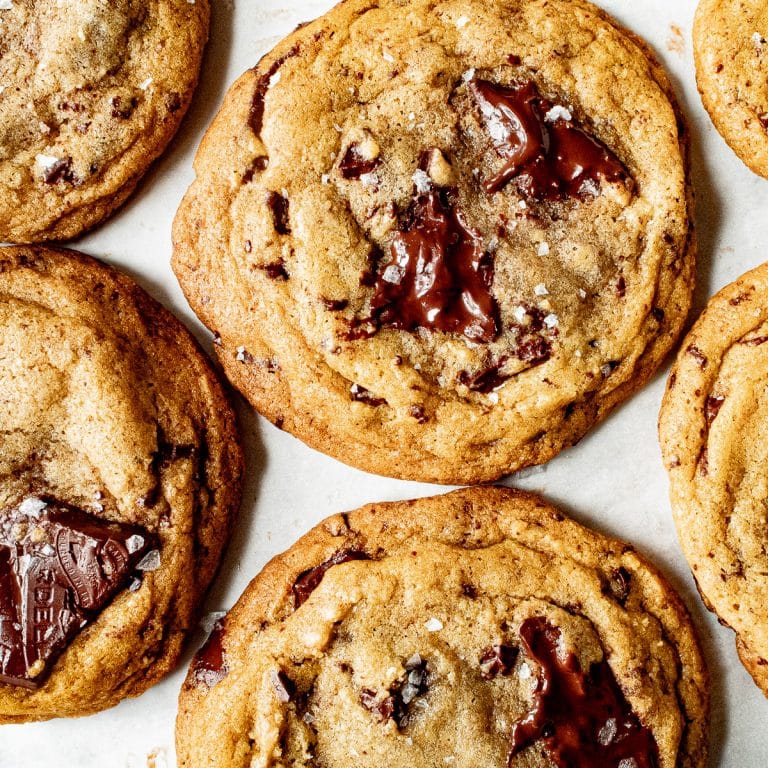
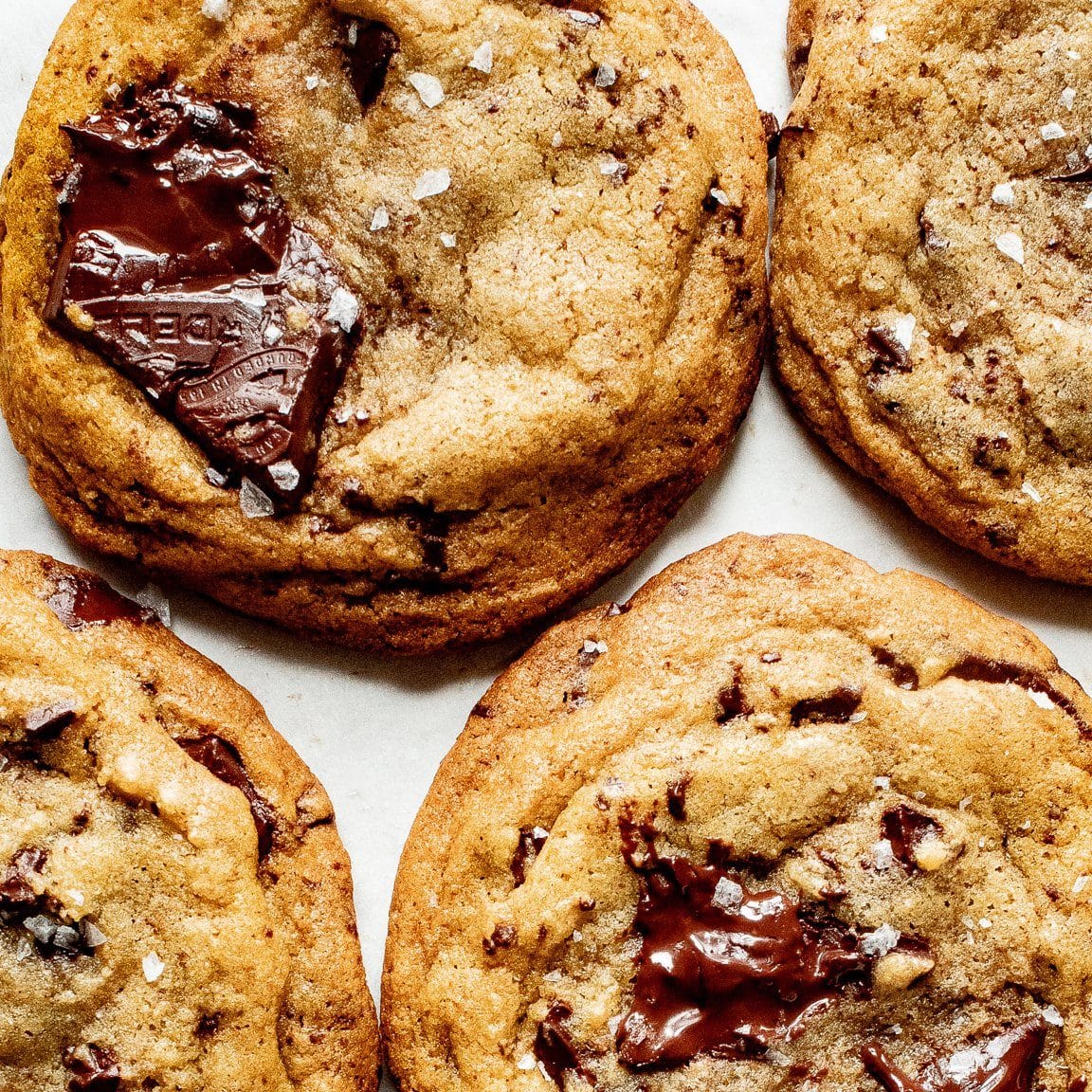
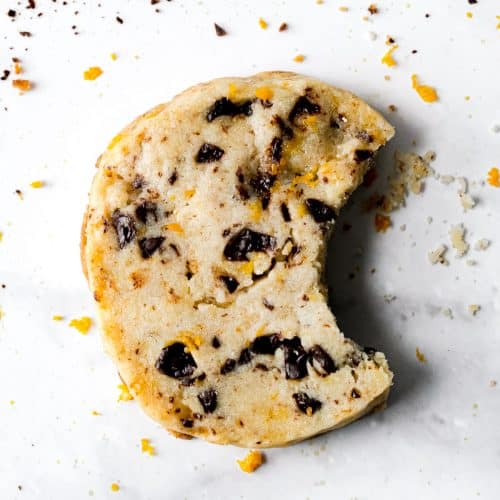
Small Batch Chocolate Chip Cookies with Brown Butter and Sea Salt
When you have a craving for chocolate chip cookies but don't need that many, this small batch recipe is perfect! It makes 8 soft, chewy brown butter chocolate chip cookies topped with flaky sea salt -- they're SO addictive!
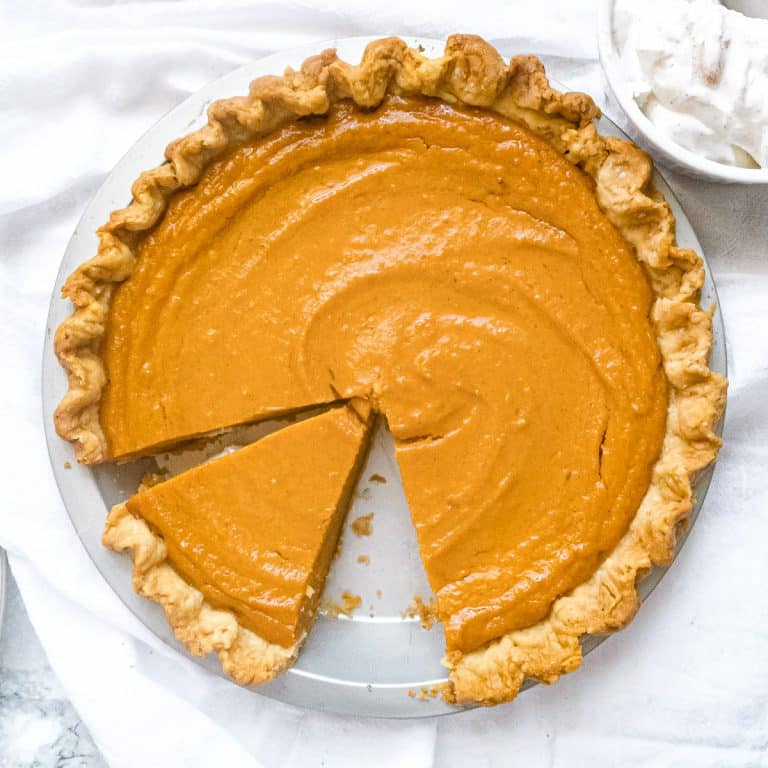
Brown Butter Sweet Potato Pie Recipe
A southern brown butter sweet potato pie recipe with the richness of brown butter, brown sugar, and evaporated milk, along with the "black-bottom" technique of Patti LaBelle's famous pie. This browned butter sweet potato pie recipe makes two pies!
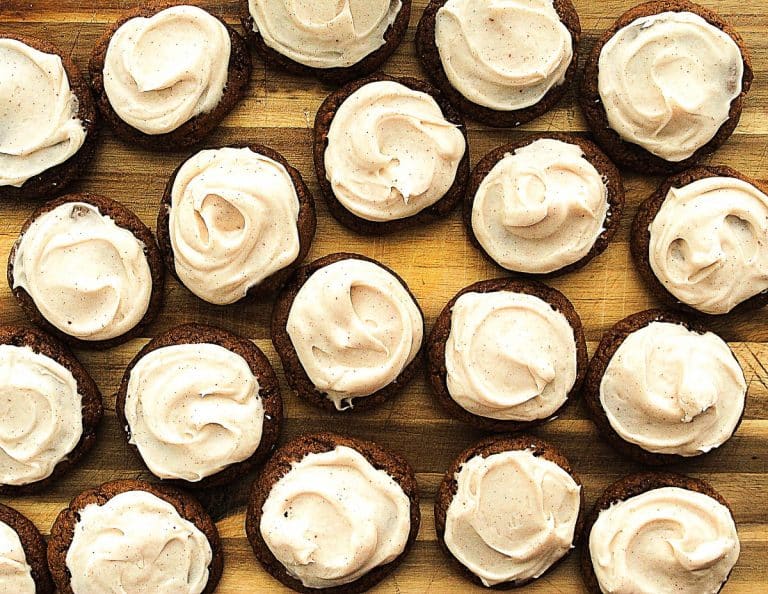
No Chill Gingerbread Cookies with Stout and Brown Butter Cream Cheese Frosting
I love this combination of full-bodied stout and spiced gingerbread. But I'm always looking for an excuse to use brown butter...
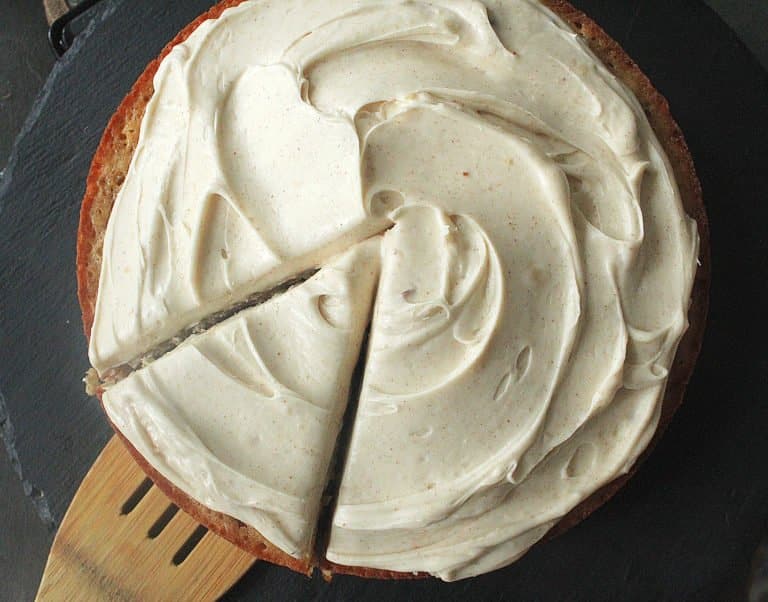
Banana Cake with Brown Butter Cream Cheese Frosting
An easy and quick banana cake topped with a delicious brown butter cream cheese frosting -- perfect for a quick weekend dessert!
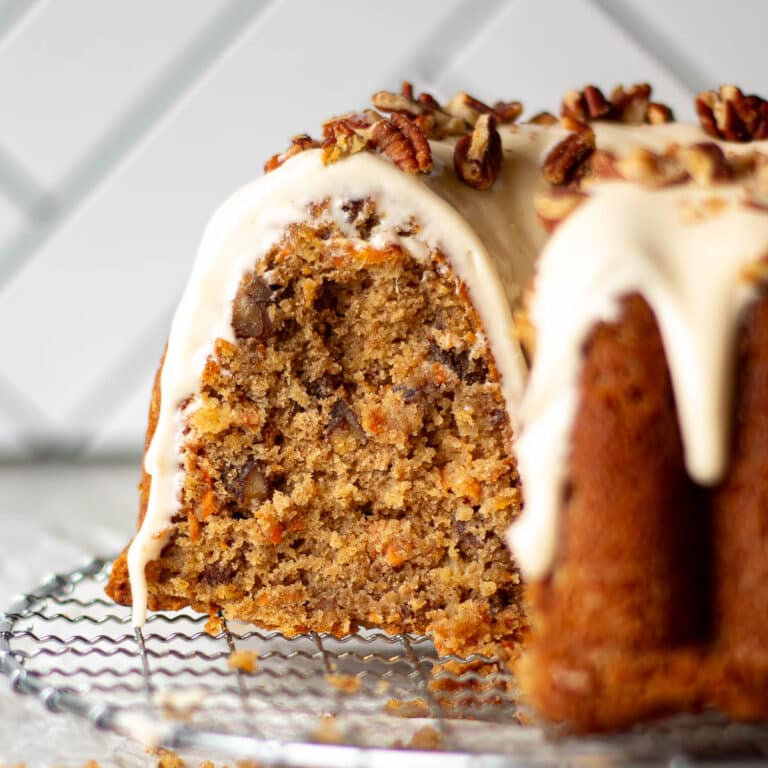
Carrot Pound Cake
Old fashioned Carrot Pound Cake Recipe with pineapple and brown butter cream cheese glaze! We'll make this moist carrot pound cake without using cake mix -- it's the ultimate carrot cake recipe!
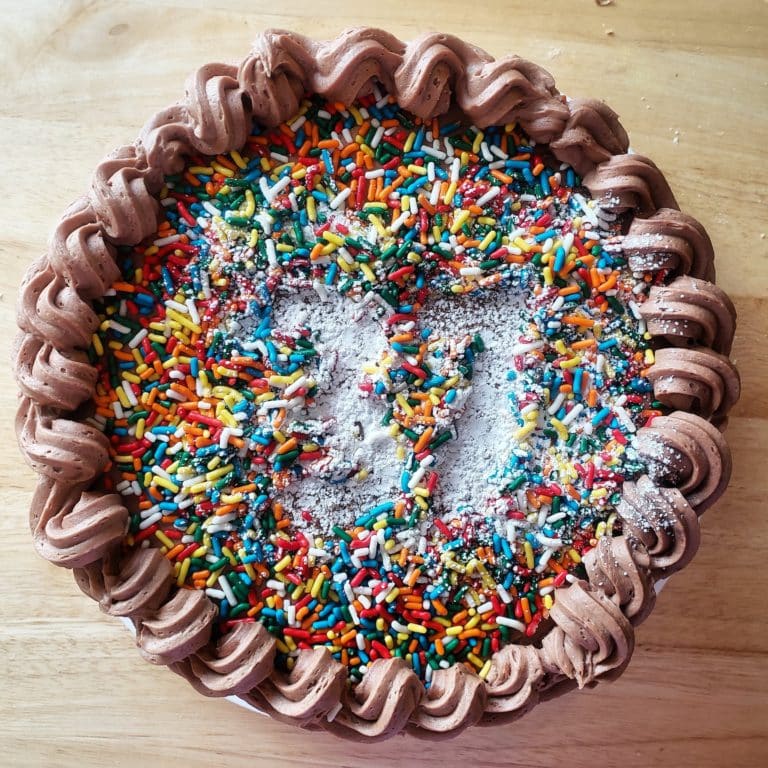
Brown Butter Cake with Nutella Buttercream Frosting
I can't believe it's taken me this long to combine brown butter and Nutella...
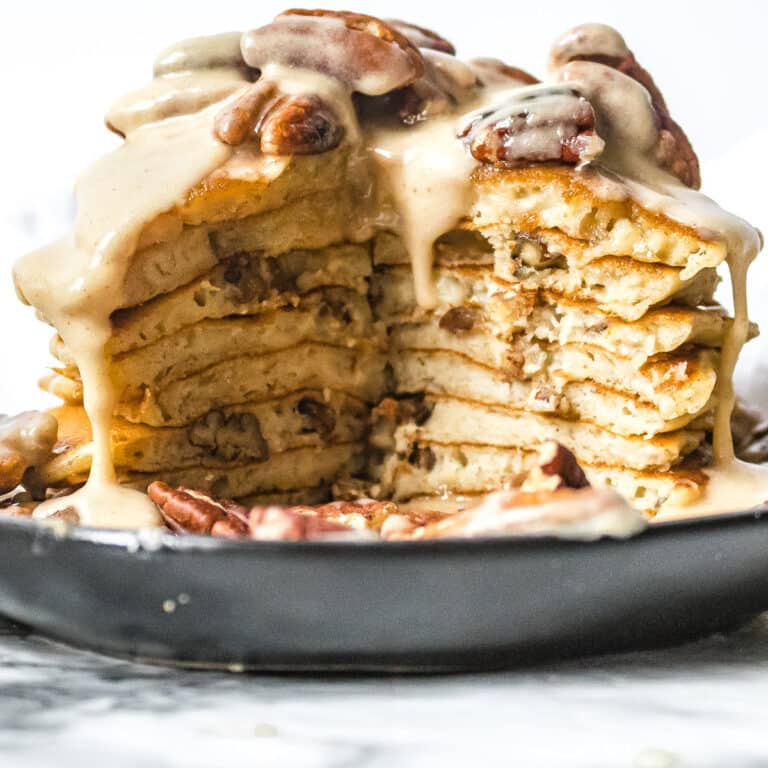
Banana Cinnamon Pancakes with Maple Brown Butter Glaze
Take your weekend brunch to the next level with these decadent banana pecan pancakes and their rich maple brown butter glaze. Bring the goodness of your favorite brunch restaurant home with these moist, fluffy pancakes made form scratch!
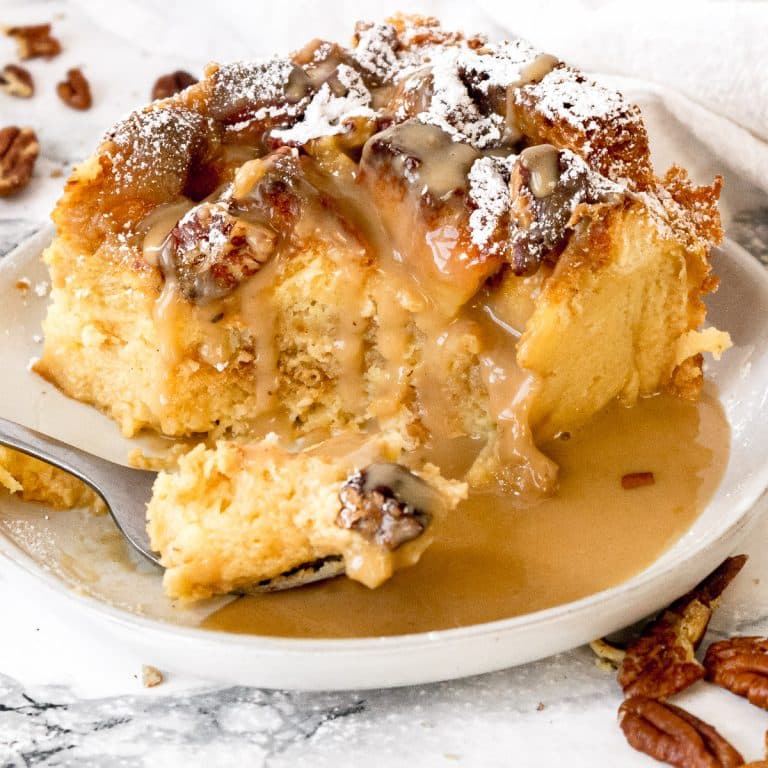
Eggnog Bread Pudding with Brown Butter Rum Sauce
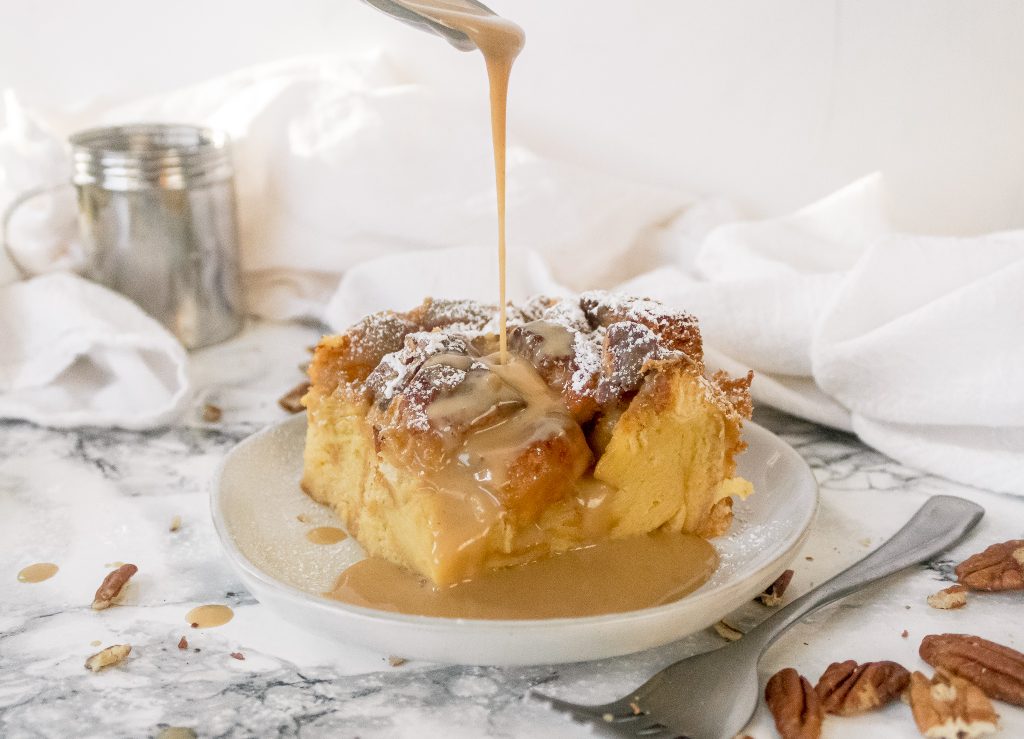
An incredible holiday dessert, with toasted pecans, dark rum, and eggnog, draped in an amazing brown butter rum sauce!
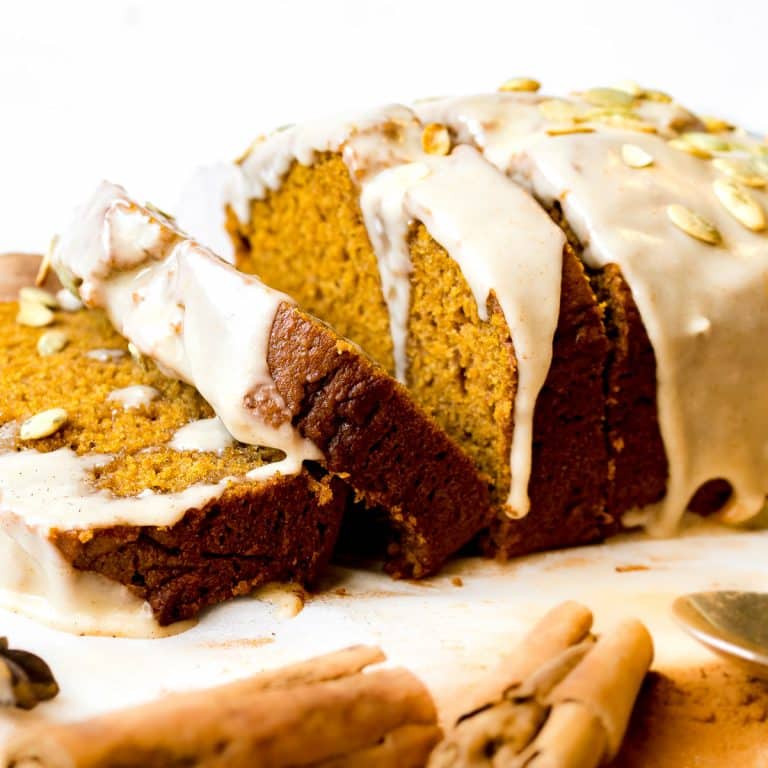
Sour Cream Pumpkin Bread with Maple Brown Butter Glaze
The easiest way to celebrate all those amazing fall flavors! A moist spiced pumpkin loaf drenched in the most amazing maple brown butter glaze!
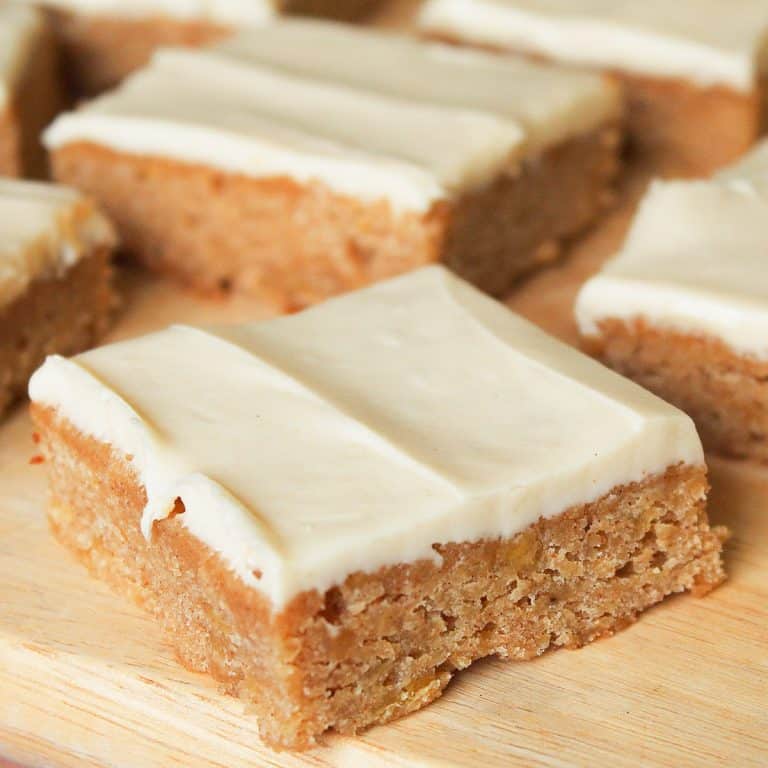
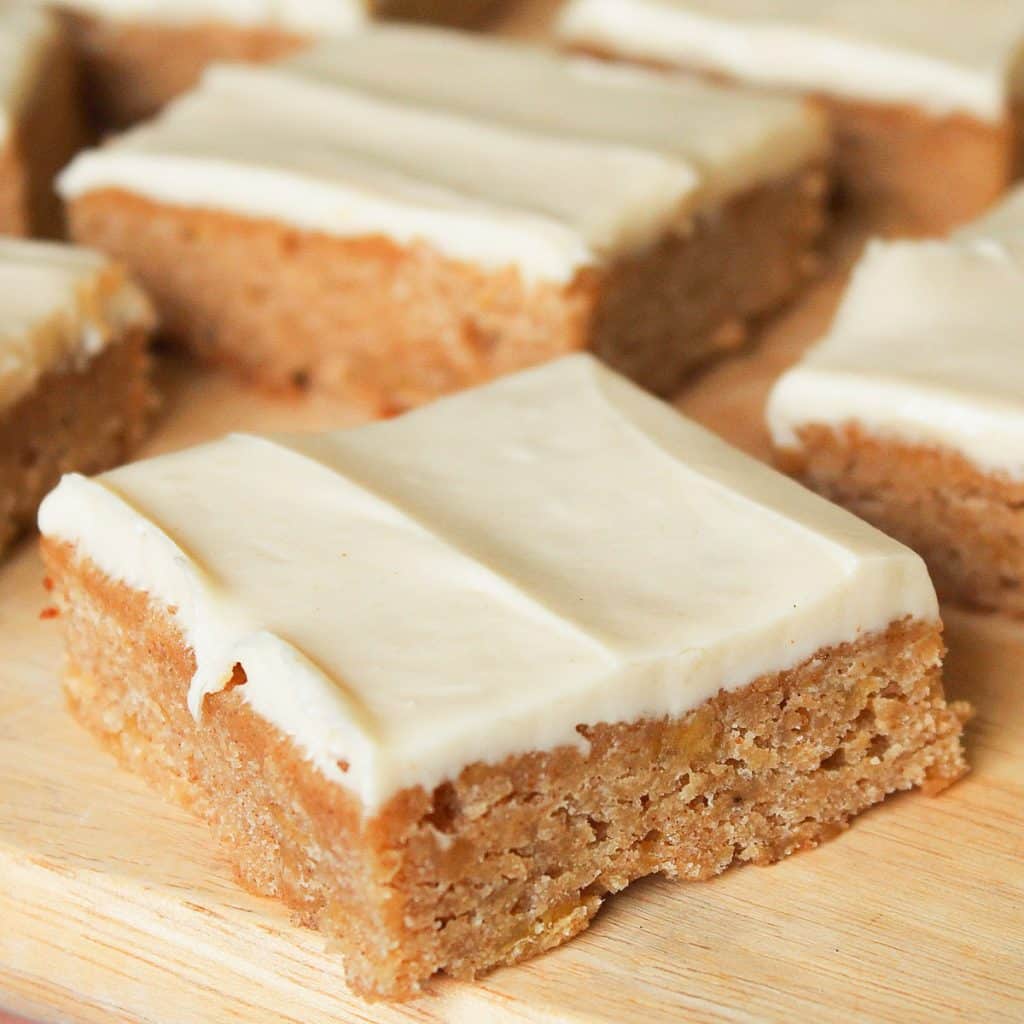
Banana Blondies with Brown Butter Frosting
Fudgy, decadent white chocolate blondies with ripe banana and brown butter...
The possibilities are endless! Let me know in the comments below what your favorite brown butter recipe is!
If you try this recipe, I would love it if you could leave a star review rating and comment below! It’s so wonderful hearing your feedback! And don’t forget to share your creations with me by tagging @chenee_today on Instagram!
📖 Recipe
Equipment you may need
Ingredients
- ½ cup butter - (1 stick) cut into cubes
- 1 tablespoon water - optional
Instructions
- Place butter into a cold, light-colored skillet.½ cup butter
- Heat on medium-high and allow butter to melt, whisking constantly to ensure even cooking. Butter should start to foam and sizzle.
- Continue whisking until milk solids separate and begin to turn golden brown.
- When butter is golden brown and you smell a nutty aroma, remove from heat and transfer immediately to a heatproof container, being sure to scrape all the brown bits from the pan with it.
- If using to substitute for regular butter in a recipe, add 1 tablespoon water and stir before adding to recipe or chilling in refrigerator.1 tablespoon water
Video
Notes
Nutrition
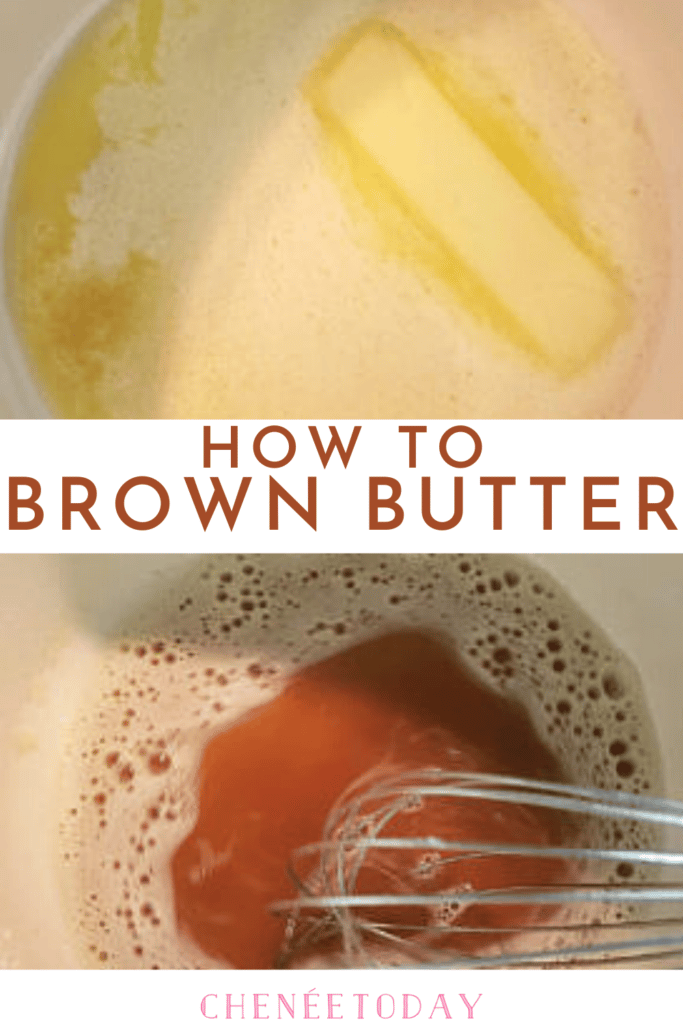
Don't lose this browned butter technique! PIN it for later:

Last Updated on March 17, 2024 by Chenée Lewis

Farah
I love the flavor of brown butter, and you make it seem so simple! Thanks for the photos and clear instructions, I'm going to try to brown the butter in my favorite cookie recipe next time I make it!
MacKenzie
So helpful! Thank you! Great for all my holiday baking.
Chenée Lewis
Glad it was helpful! I love brown butter in all my holiday bakes!
Jill
I've got to try those cookies! Thanks for this helpful tutorial for how to brown butter!
Anjali
This is such a helpful guide to browning butter!! I've always been intimidated by making browned butter but you've inspired me to give it a try!
Sara Welch
These were such easy to follow tips and the butter turned out great! Excited to get baking!
Chenée Lewis
Great to hear it!
Susan Hence
Both recipes (Pumpkin and Pecan) look so delish. I am definitely going to try both and I am not much for baking.
Chenée Lewis
I hope you enjoy them! Thanks so much!
Susie Robertson
Perfect instructions!!! The nutty aroma is amazing!!! Thank you!!!!!
Chenée Lewis
Thanks so much! I'm so glad it was helpful!